
About The Book
The Boy Who Dreamed of Camelot
This novel opens with neglect rather than destiny. A stone well, sealed and ignored, waits behind a rural property where time has worn paths into the ground. Sam Parker finds it by accident. What follows is not a call to greatness but an introduction to responsibility. Camelot, as Sam encounters it, is not polished. It is functional. The systems that hold it together depend on attention, memory, and consistency. Knighthood is not bestowed through lineage or spectacle. It is practiced through maintenance, care, and discipline.
Merlyn appears not as a mystic but as a mapmaker. His guidance is fragmented, often inconvenient, and rarely comforting. Sam is forced to interpret rather than obey. Mistakes carry consequences. Progress comes unevenly. Symbolic elements emerge without overt explanation. The Ash Crown introduces moral tension rather than authority. The Shadow Ledger records mercy without recognition. These objects serve the story rather than dominate it, reinforcing the novel’s focus on choice and accountability.
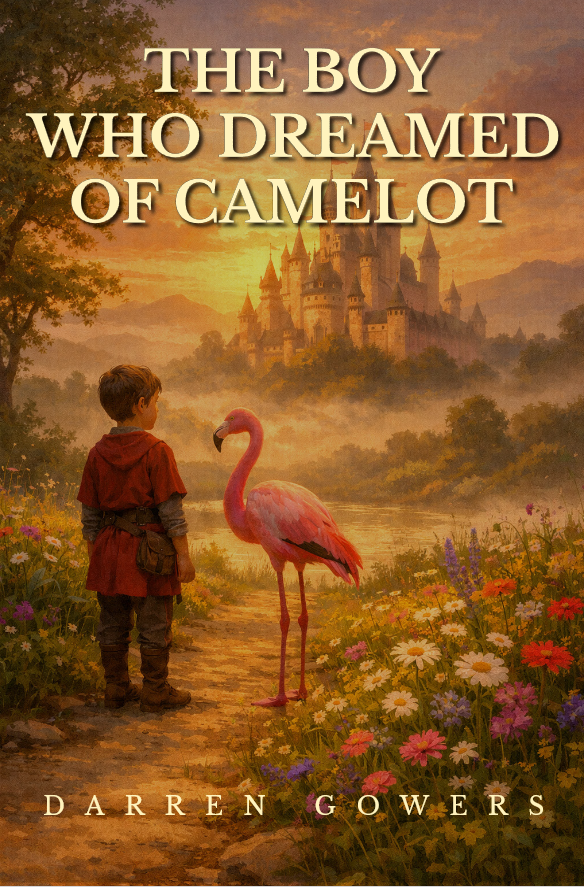
The book speaks to readers who value effort over shortcuts. It treats youth not as innocence but as a stage where responsibility begins to take shape. By placing legend alongside farm work and isolation, the novel connects mythic ideas to environments readers recognize. The Boy Who Dreamed of Camelot stands as an opening movement rather than a conclusion. It establishes a world where meaning is built, not granted, and where heroism grows from attention to what others ignore.
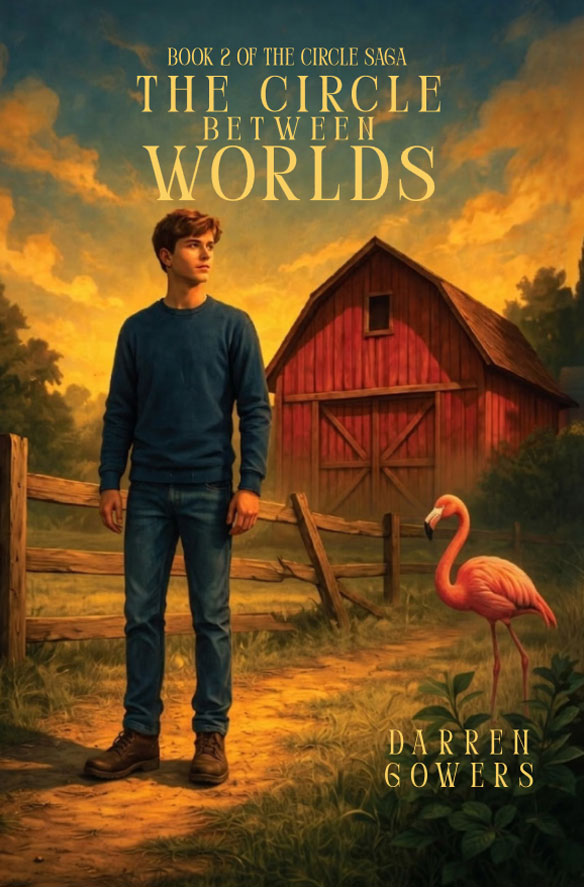
The Circle Between Worlds
The second novel in The Circle Saga begins where certainty ends. Camelot is no longer confined to distant legend, and the familiar landscape of rural Kentucky becomes part of the same unfolding conflict. Sam Parker returns home carrying lessons that can no longer remain separate from ordinary life. Responsibility extends beyond personal growth as neighbors, families, and communities become participants in a struggle that reaches across worlds. The boundaries between myth and reality begin to dissolve, asking whether the values learned in one place can endure in another.
The symbols introduced earlier take on a broader meaning. The Circle grows beyond a gathering into a way of living. The rope becomes more than a tool. It represents steadiness in the face of fear. The Ledger continues to preserve memory against erasure, while the quiet routines that once shaped individual character now strengthen an entire community. Every choice carries greater consequences because the ordinary world itself has become part of the story.
The novel speaks to readers who value perseverance over spectacle. It examines how principles survive beyond moments of testing and whether courage can remain steady when responsibility is shared rather than carried alone. The Circle Between Worlds expands the foundation established in the opening novel, revealing that the greatest battles are often fought where everyday life continues despite uncertainty.
The Weight of Names
The third novel begins after victory has become reputation. Sam Parker discovers that ideas can continue growing long after they leave the person who first carried them. His words are repeated, his choices are interpreted, and his name begins to represent different things to different people. The challenge is no longer learning what responsibility requires. It is deciding how to remain faithful to it when others reshape it into certainty, authority, and expectation.
The symbols of the series continue to evolve without losing their human purpose. The Circle becomes divided by competing interpretations. The Ledger records more than names. It reflects the burden of memory and accountability. Simple threads, once quiet signs of belonging, become reminders that conviction must never replace individual judgment. Throughout the novel, familiar objects continue to carry moral weight while reinforcing the cost of allowing principles to become institutions.
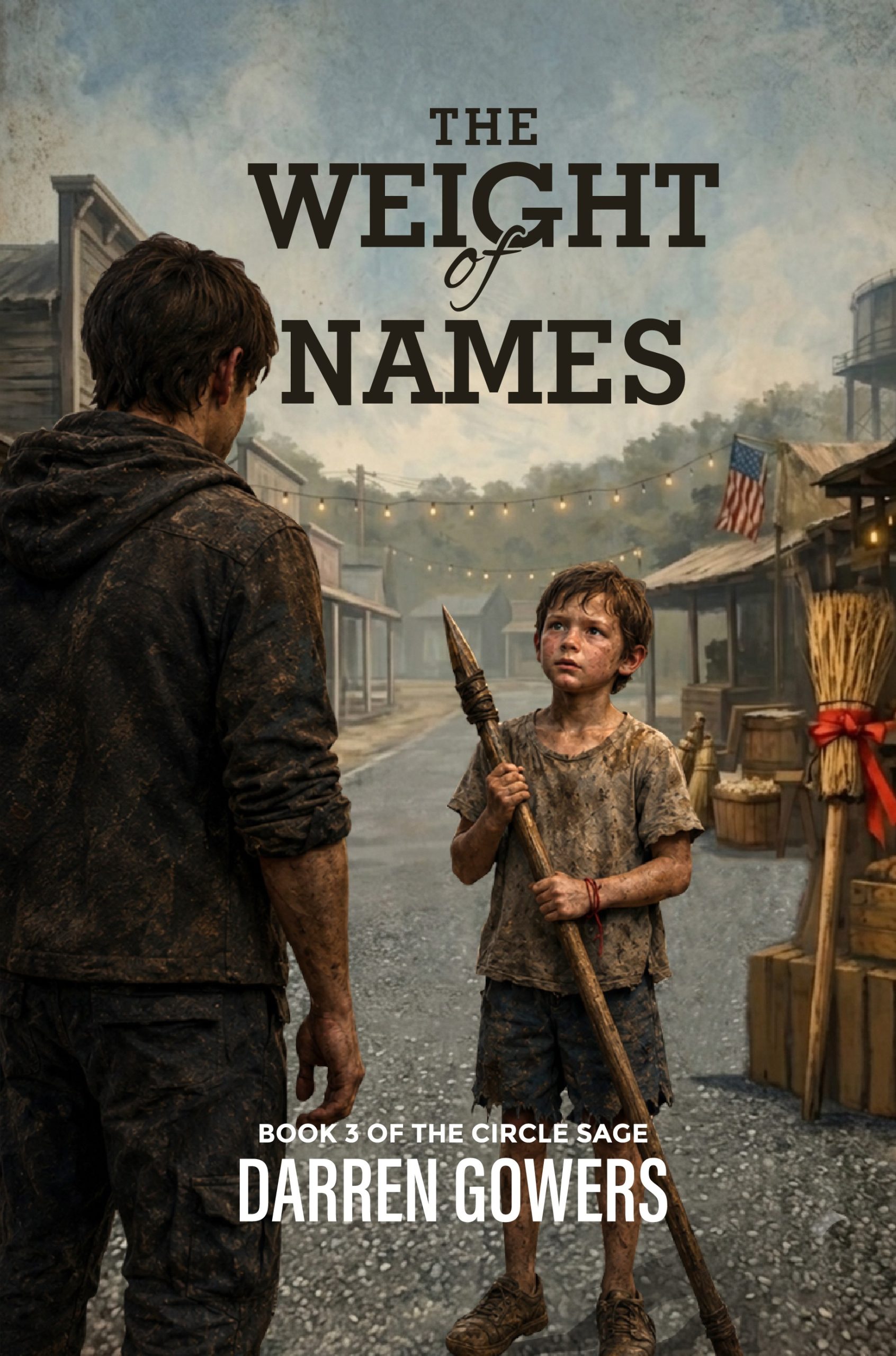
The book speaks to readers who value humility over recognition. It explores leadership after achievement, asking whether integrity can survive admiration, influence, and public expectation. The Weight of Names brings the trilogy to a thoughtful turning point, reminding readers that preserving humanity sometimes requires stepping away from the story others want to tell.
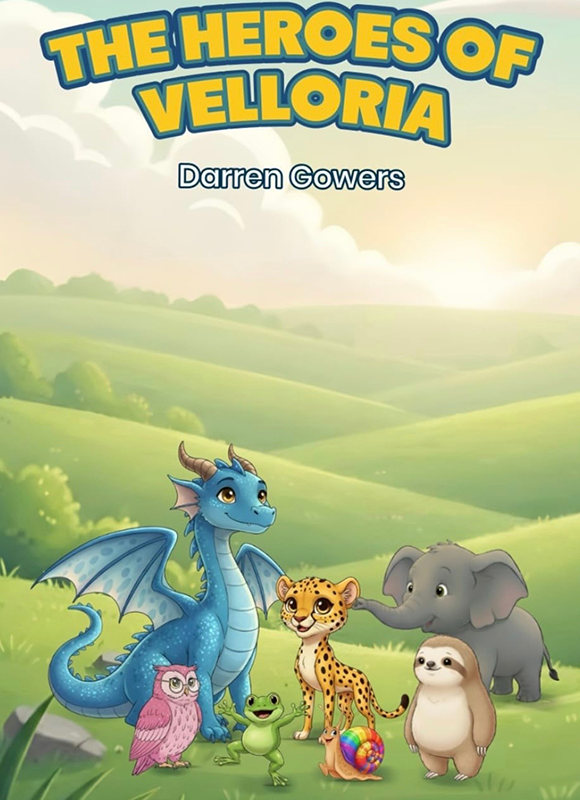
The Heroes of Velloria
Alongside The Circle Saga, Darren Gowers has also written for younger readers with The Heroes of Velloria, a children's book that reflects his ability to tell meaningful stories across different audiences. While distinct from his Arthurian fiction, it shares the same belief that character is revealed through kindness, courage, and the choices people make for one another.
Set in the magical land of Velloria, the book follows seven unforgettable friends whose different personalities become their greatest strength. Across a collection of connected stories, young readers meet dragons, owls, frogs, elephants, snails, cheetahs, and sloths who each discover that every individual has something valuable to contribute. Their adventures celebrate curiosity, compassion, confidence, and the joy of embracing differences.
Written for bedtime reading and early readers alike, The Heroes of Velloria offers gentle lessons without losing its sense of wonder. It is a warm and imaginative celebration of friendship, reminding children that the greatest adventures are often shared and that everyone has a place where they belong.